Dreaming about a horse-friendly property near Bandera? It is easy to fall for scenic acreage, wide-open views, and the promise of riding right from your own land. But in this part of the Texas Hill Country, a great horse property is about much more than a pretty setting. If you want a property that works well day to day and holds its value over time, there are several practical details to get right. Let’s dive in.
Why Bandera appeals to horse buyers
Bandera County has a strong horse and ranching identity, and that matters when you are choosing a lifestyle property. The county is officially identified by the state as the “Cowboy Capital of the World,” which helps explain why horse ownership feels like a natural fit here.
The area also offers meaningful public riding access nearby. Hill Country State Natural Area sits about 12 miles southwest of Bandera on FM 1077 and includes more than 5,000 acres with roughly 40 miles of shared-use trails for horseback riding, hiking, and mountain biking.
That kind of access adds to the appeal of owning a horse property in the area. It also makes horse-friendly features more than a niche bonus, because trail access and equestrian amenities can influence both your lifestyle and future resale interest.
Look beyond the acreage number
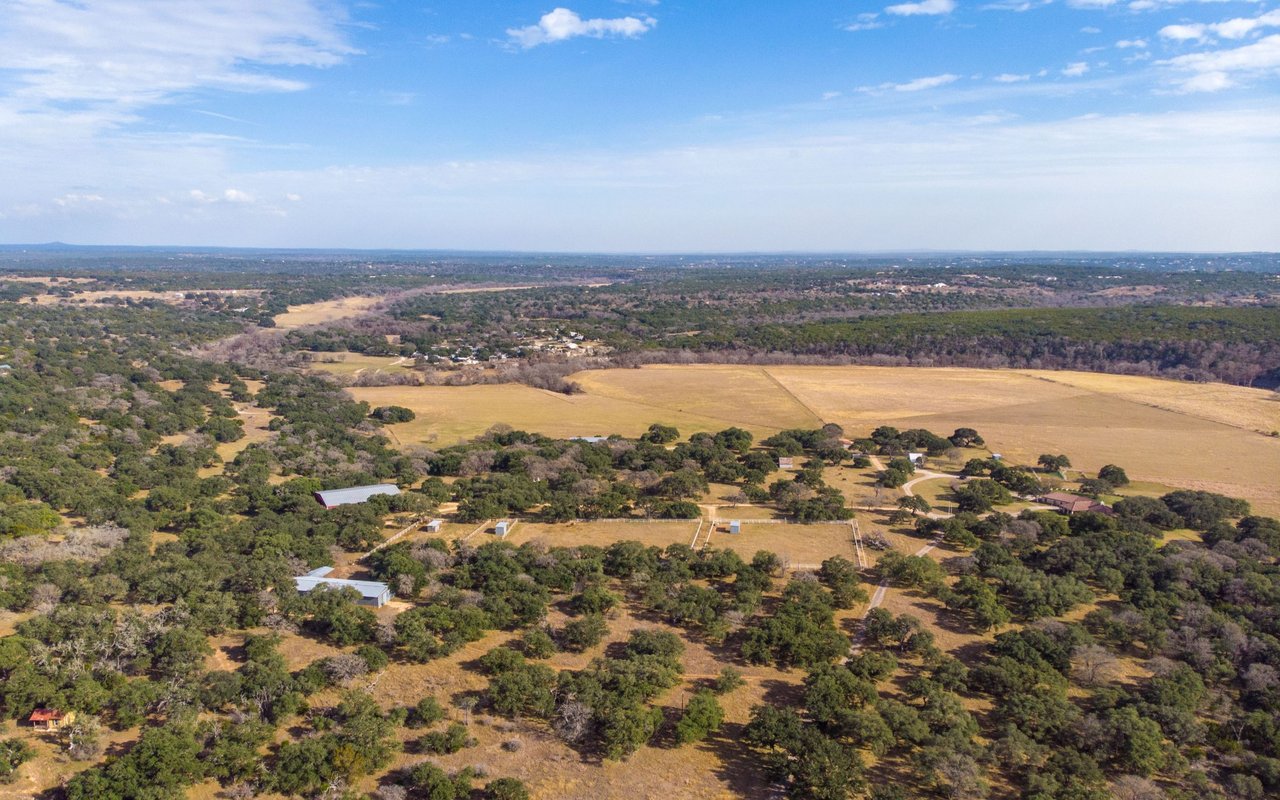
One of the biggest mistakes buyers make is focusing too much on total acreage. A property may sound ideal on paper, but if a large share of the land is steep, heavily wooded, or affected by flood constraints, it may not function the way you expect.
Bandera County’s terrain varies, with broad valleys near the Medina and Guadalupe Rivers and more incised stream-valley terrain in other areas. That means the shape, slope, and layout of the land can matter just as much as the number of acres listed.
When you tour a property, think about how the land will actually work for horses. Ask yourself whether you have usable space for turnout, paddocks, feed access, trailer movement, and a possible arena site.
Focus on the features horses need
A horse property should support safe daily care and efficient movement. Texas A&M AgriLife Extension notes that thoughtful facility design affects horse health, stress, safety, and long-term management costs.
That means you want to evaluate the property like a working setup, not just a homesite with land. The details below can make a big difference in how the property lives.
Usable layout
Look for land that creates workable spaces for paddocks, turnouts, and riding areas. A beautiful tract may still be difficult to use if the ground is too sloped, too broken up, or limited by floodway areas.
If you plan to add structures later, check whether there is a logical build site for a barn, loafing shed, tack room, or covered arena. Expansion potential can also make the property more appealing to future buyers.
Fencing and circulation
Safe fencing and smooth circulation are key. AgriLife specifically highlights fencing and movement patterns as important parts of horse-property design.
Pay attention to gates, drive lanes, and trailer access. You want enough room for easy entry, turning, loading, unloading, and emergency access if needed.
Water access
Reliable water matters in every season, especially in an area where drought and heat are real concerns. Think beyond whether a trough exists today and consider overall water planning.
Ask about wells, trough placement, and backup water options. In a rural setting, dependable water infrastructure is not just a convenience. It is one of the most important parts of long-term functionality.
Storage and management space
Horse properties work best when daily tasks are simple and organized. Feed storage, tack storage, manure management, and room for veterinary or farrier visits all affect how smoothly the property functions.
Even if the current setup is basic, look for enough space to create a more efficient layout later. That flexibility can improve both livability and resale.
Understand local buildability rules
If you are buying acreage with the idea of building or improving it, county rules deserve close attention. In Bandera County, site-specific review may involve a site evaluation, a 100-year floodplain map, easements, water wells, an overall site plan, topographic information, and on-site sewage facility design documents.
That process matters because a tract can look horse-friendly at first glance but still present challenges when you try to develop it. Buildability should be verified early, especially if the property is raw land or only lightly improved.
Bandera County subdivision rules also affect how usable some smaller tracts really are. If a lot is served by an individual well and an individual on-site sewage facility, the minimum lot size is 10 acres with 200 feet of road frontage. If the lot has public water and an OSSF, the minimum is 5 acres with 150 feet of frontage.
The county also says minimum lot size must be maintained exclusive of any floodway that encroaches on the lot. In simple terms, not every acre may count the way you think it does.
Check floodplain and drainage carefully
Flood risk is an important issue around Bandera, even for properties that are not right on the water. FEMA’s Bandera County Flood Insurance Study includes flood-zone designations such as A, AE, and X in both the City of Bandera and unincorporated county areas.
For horse buyers, that means you should look closely at where the home, barn sites, paddocks, and drive access sit in relation to mapped flood hazard areas. A property may still be appealing, but drainage and placement become a much bigger part of the decision.
Floodplain approval is also not a substitute for other restrictions. Bandera County notes that floodplain approval does not exempt a property from deed restrictions, subdivision regulations, or other covenants.
Verify wells and water compliance
Water is one of the most important due diligence items for a rural horse property. The Bandera County River Authority & Groundwater District says a permit is required for all wells drilled in the district except registered wells.
The district also requires that, within 30 days of permit approval, the permittee file an affidavit in the real property records to notify future purchasers that a groundwater permit exists on the property. That makes documentation especially important when you think about future resale.
If a property relies on a well, ask for clear records and confirm the setup early. A compliant, documented water source can add confidence for both your purchase and your long-term ownership.
Pay attention to wildfire and weather risk
Bandera County’s hazard mitigation plan identifies flooding, hail, extreme heat, drought, and wildfire as local risks. It also notes that rural, sparsely populated unincorporated areas are more vulnerable to large sweeping wildfire events.
For horse properties, that means you should consider more than the home itself. Open acreage can be attractive for riding, but it also raises questions about defensible space, brush management, drainage, and emergency access.
The county also asks residents to complete burn registration or call the Sheriff’s Office before burning. That is useful to know because brush control and pasture maintenance often play a role in rural property upkeep.
Know the difference between county and city rules
Not every property near Bandera is governed the same way. If a property is inside the City of Bandera, it may fall under a different framework than acreage in the unincorporated county.
The city’s zoning ordinance uses place types, and P2 Rural is intended for large-lot, sparsely settled land or land used for agricultural purposes and food production. Newly annexed territory is also temporarily classified as P2 Rural until the City Council applies permanent zoning.
If you want horse property close to town, verify the exact place type and any limits on use. It is not safe to assume that land inside city limits functions the same way as county ranchland.
Be realistic about agricultural tax treatment
Many buyers assume horse property automatically comes with favorable agricultural tax treatment. In Texas, that is not something you should take for granted.
Texas Comptroller guidance says certain farm and ranch land may qualify for agricultural special appraisal under open-space rules, but simply owning a horse does not qualify a person for an ag/timber number. The guidance also says breeding and selling horses in the regular course of business can qualify, while horse boarding, riding lessons, and trail rides do not qualify because they are not considered production of agricultural products for sale.
That distinction can affect your ownership costs and expectations. It is a good reminder to evaluate the property based on verified tax status and allowed uses, not assumptions.
Think about resale from day one
The best horse-friendly properties around Bandera usually offer more than one kind of appeal. They may work for horse owners today, while also attracting future buyers who want Hill Country space, practical acreage, or flexible rural use.
In many cases, the strongest resale prospects come from a combination of usable terrain, reliable water, good access, sensible lot geometry, and buildable areas outside major flood constraints. Those are the details that often separate a truly functional property from one that only looks good in listing photos.
If you are weighing several options, it helps to compare them through the lens of daily use and long-term flexibility. That is often where the best decision becomes much clearer.
Buying a horse-friendly property around Bandera can be incredibly rewarding, but it pays to look past the romance of acreage and focus on how the property actually performs. If you want thoughtful guidance as you compare homes and land in the Hill Country, Tiffany Gill-Teich can help you evaluate the details that matter most.
FAQs
What makes a property horse-friendly near Bandera?
- A horse-friendly property near Bandera should offer usable land layout, reliable water access, safe fencing, room for trailer circulation, and practical space for storage and future improvements.
Do all Bandera horse properties qualify for agricultural tax treatment?
- No. Texas Comptroller guidance says simply owning a horse does not qualify a property owner for an ag/timber number, and some horse-related uses do not qualify for agricultural treatment.
Why does floodplain review matter for Bandera acreage?
- Floodplain review matters because flood risk can affect where you place barns, paddocks, driveways, and future improvements, and not all acreage may be equally usable.
What should you ask about wells on a Bandera horse property?
- You should ask whether the property’s well is properly permitted or registered, what records are available, and whether groundwater-related filings were completed as required.
Are city and county horse-property rules the same around Bandera?
- No. Properties inside the City of Bandera may be subject to different zoning or place-type rules than properties in unincorporated Bandera County.
What natural risks should horse-property buyers consider in Bandera County?
- Buyers should consider flooding, hail, extreme heat, drought, and wildfire, especially on rural acreage where emergency access, defensible space, and drainage are important.